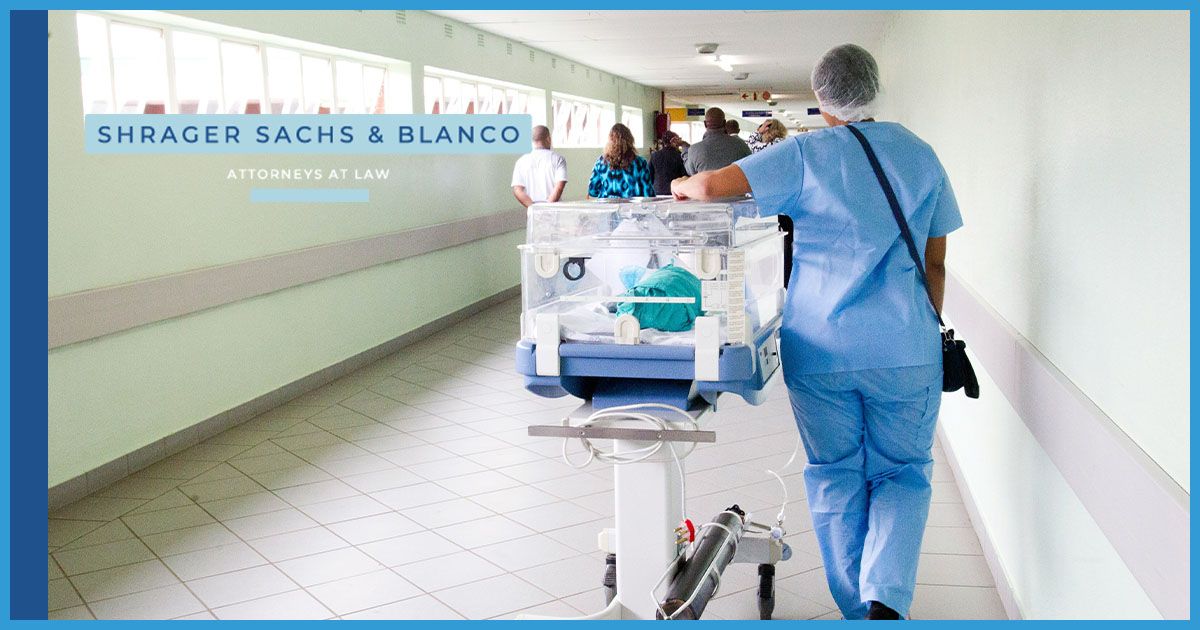
Millions of patients pass through Philadelphia-area hospitals every year.
Those visits include everything from elective surgery to baby deliveries to emergency treatment, with a wide range of outcomes. No matter the reason, visiting a hospital can be stressful, even when everything goes to plan. And sometimes it doesn’t. You can encounter a protocol failure that leads to further complications.
A hospital protocol failure can be grounds to file a medical malpractice claim. If you decide to pursue that path, you’ll need an attorney who knows how to build these cases. These are complicated cases that require strong evidence and expert witnesses.
You might not have direct access to that, but a skilled attorney will.
Common Types of Dangerous Hospital Protocol Failures
A hospital protocol failure occurs when a healthcare provider or facility deviates from the accepted medical standard of care and a patient is injured as a result. It can happen as an error of omission or commission. In other words, either a protocol isn’t followed, or it’s followed improperly.
These are the common types of dangerous hospital protocol failures:
Medication Errors
Every prescribed medication moves through a kind of supply chain. The doctor enters the order, the order is filled, and a nurse administers the drug. In some situations, a pharmacist gets involved. A breakdown can happen anywhere along that chain. A drug given at the wrong time or the wrong dose can cause harmful side effects or simply fail to treat the condition.
Mislabeling or Sample Mishandling
Most hospital workups involve a blood draw, and some add biopsy tests. If the hospital fails to label blood tubes or biological specimens correctly, the result can be a misdiagnosis or the wrong treatment.
Consent Process Failures
A patient is supposed to provide consent before a medical procedure. Obtaining consent after a procedure or treatment has already begun is a significant failure.
Skipping the Surgical Checklist
Before any surgery, the team must run a mandatory pre-surgery checklist to confirm the correct patient, site, and procedure. Skipping it is a leading cause of wrong-site surgeries.
There is also a checklist for after the operation, when the team counts surgical instruments and sponges. If those counts don’t add up, it can mean an object was left inside the patient. Retained surgical items are a genuine, well-documented problem.
Missed Tests and Assessments
A failure to run essential diagnostic tests or evaluations can delay detection of life-threatening conditions such as sepsis or internal hemorrhaging.
Communication Failures
Communication failures often occur during shift changes, when nurses “hand off” a patient to incoming staff. Critical notes about a patient’s care or monitoring can be forgotten or ignored. A failure can also happen when urgent lab results aren’t conveyed to the attending physician or care team right away.
When these failures lead to further health complications, the patient shouldn’t be saddled with the extra medical expenses. Those costs should be compensated through the hospital’s insurance carrier.
Proving Negligence in a Hospital Protocol Lawsuit
If you’re hurt in a car accident caused by another driver’s recklessness, you have to prove their negligence. The same principle applies to a medical malpractice claim against a hospital. You need strong evidence that draws a direct line between the hospital’s actions, or inaction, and your injury.
This is the evidence you’ll need to collect:
- The Hospital’s Official Protocol: Before you can accuse a hospital and its employees of failing to follow protocol, you must first establish what the protocol was. That means obtaining the institution’s exact written guidelines and bylaws to show the standard operating procedure at the time of the incident that harmed you.
- Medical Records and Timelines: You’ll need to build a timeline of your treatment, from the moment you entered the hospital through your discharge. That requires the electronic health records, nursing notes, medication charts, and surgical logs related to your care.
- Expert Witness Testimony: Under Pennsylvania law, a medical malpractice claim can’t move forward without a Certificate of Merit. Your attorney files that certificate based on a written statement from a qualified licensed professional, in the same field as your injury, confirming a reasonable probability that the care fell outside accepted standards and caused your harm. Because these questions are highly technical, proving breach of duty and causation almost always requires testimony from a medical expert in the relevant specialty.
Why You Need a Philadelphia Medical Malpractice Attorney
Seeking compensation for a protocol failure isn’t something you handle by submitting an online claim to the hospital’s insurance carrier, and it can’t be resolved in small claims court. To have your claim taken seriously, you need to speak with an attorney at Shrager, Sachs, & Blanco.
Our case results show that we have the skills, experience, and knowledge to prevail in these complex claims. We can conduct a preliminary review of the evidence to help determine whether your claim has standing to move forward.
If we agree to work together, we can call on our network of medical experts to help prepare the Certificate of Merit.
We’ll also take over every communication with the hospital and its insurance carrier, so you can avoid the dreaded runaround. Instead, we’ll fight to lock down a fair settlement. All of it begins with a free consultation, where we can discuss your options for pursuing your claim.
Call to schedule yours today and get your questions answered.